Monarch Way
Restoring Native Prairie Along Northaven Trail
Monarch Way is a native prairie and pollinator restoration initiative along Northaven Trail in North Dallas. This project is transforming underutilized greenspace into a thriving corridor of native plants that support monarch butterflies, pollinators, wildlife, and the broader Blackland Prairie ecosystem — all within an urban setting.
By restoring native habitat along the trail, Monarch Way reconnects thousands of daily trail users with the natural heritage of North Texas while creating long-term ecological, educational, and community benefits.
Northaven Monarch View Map
Why Monarch Way Matters
North Texas was once dominated by the Blackland Prairie, one of the most biologically rich ecosystems in the region. Today, less than one percent of that native prairie remains.
Urban development, invasive species, and compacted soils have reduced biodiversity and eliminated critical habitat for pollinators such as monarch butterflies, native bees, and birds. Monarch Way addresses these challenges by restoring native plants that are adapted to local soils, climate, and wildlife — creating a resilient landscape that requires less mowing, less water, and fewer chemical inputs over time.
This work improves:
Pollinator habitat and biodiversity
Soil health and stormwater runoff management
Water quality along nearby creeks
Long-term sustainability of Northaven Trail greenspaces
How this helps the Monarch Butterflies
“Monarchs lose habitat every spring and fall. Monarch Way turns a trail users already love into critical habitat during migration.”
Monarch Way directly supports monarch butterflies by restoring native prairie plants that monarchs depend on at every stage of their life cycle. Monarch caterpillars can only eat milkweed, and adult monarchs require a diverse mix of nectar-producing wildflowers to fuel migration, reproduction, and overwintering. Urban habitat loss is one of the primary drivers of monarch population decline, making projects like Monarch Way especially important in cities. According to the Xerces Society for Invertebrate Conservation, planting regionally native milkweed and flowering plants is one of the most effective ways communities can help reverse monarch declines.
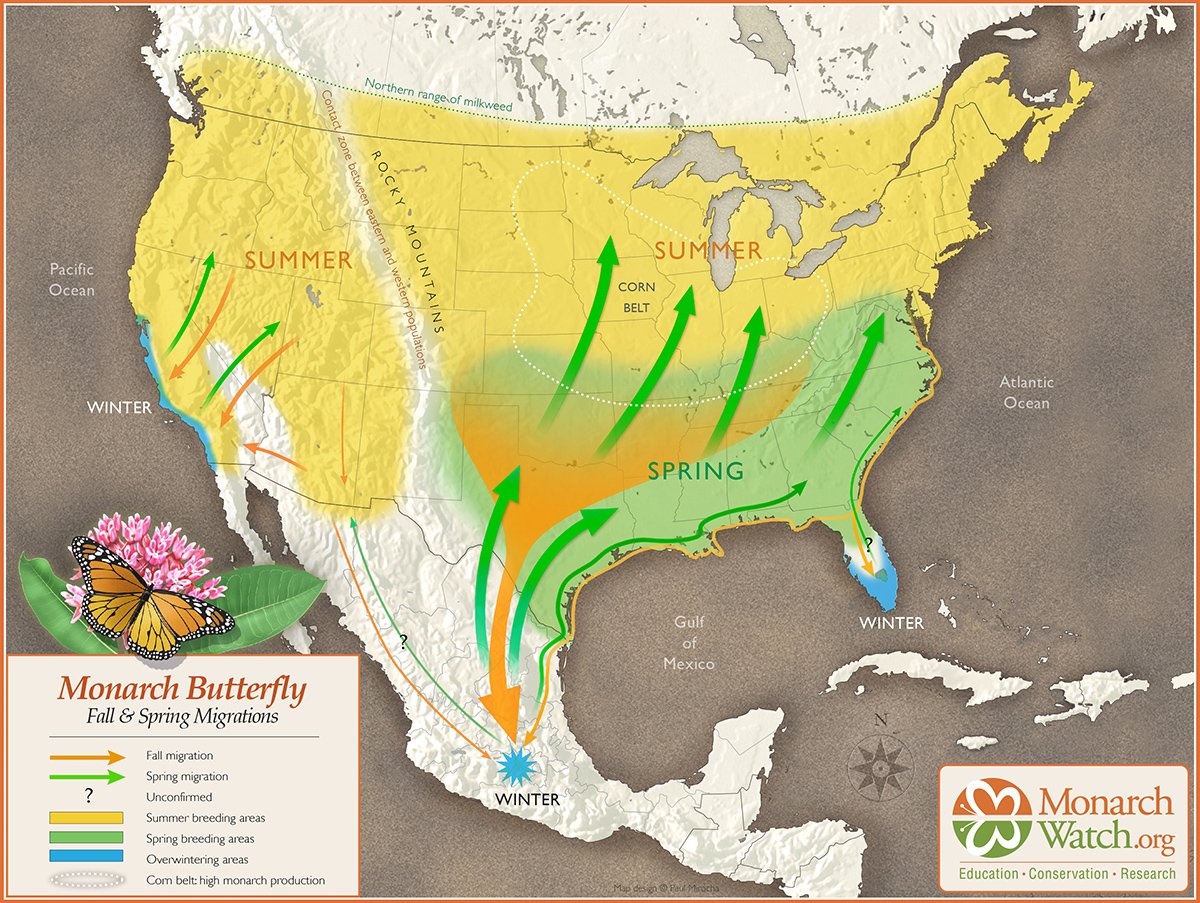
Source: MonarchWatch.org
The Northaven Trail sits within the historic Blackland Prairie, a landscape that once provided continuous habitat for monarchs moving through Texas during spring and fall migrations. By restoring prairie vegetation along the trail, Monarch Way helps rebuild a critical migratory “stepping stone,” offering food and shelter in an otherwise fragmented urban environment. Texas is considered the most important state for monarchs in North America because nearly the entire eastern population passes through it twice each year. The Monarch Joint Venture emphasizes that protecting and restoring native habitat along migration corridors is essential for long-term monarch survival.
Beyond monarchs, prairie restoration along Monarch Way strengthens the entire pollinator ecosystem, benefiting native bees, butterflies, birds, and other wildlife that rely on the same plants. Diverse native plantings bloom across seasons, providing consistent nectar sources that help monarchs build the fat reserves they need to complete migration to Mexico. Research summarized by the USDA Natural Resources Conservation Service shows that native prairie plantings support significantly higher pollinator diversity and resilience than turf grass or ornamental landscaping. By transforming underused green space into living habitat, Monarch Way turns everyday trail use into daily conservation action.
Where Monarch Way Is Taking Shape
The initial phase of Monarch Way focuses on a less-established area along the west side of Northaven Trail, between Webb Chapel Road, Pensive Drive, and Monroe Drive, adjacent to newly acquired parkland.
This location sits within a vital greenbelt corridor that connects:
White Rock Creek Trail
Bachman Branch and Joe’s Creek
Campion Trail to the west
The area’s black clay soils, while challenging for traditional landscaping, are ideal for native prairie species that evolved to thrive in these conditions.
What We’re Doing: A Thoughtful Restoration Process
Monarch Way follows a science-based, phased restoration approach designed to succeed long-term and be replicated along other sections of the trail.
1. Site Assessment & Planning
Soil analysis and site evaluation
Development of a comprehensive, phased conservation plan
2. Invasive Species Management
Removal of invasive grasses and plants
Use of cover crops to suppress regrowth and improve soil health
3. Native Plant Establishment
Planting native prairie grasses and pollinator-supporting wildflowers
Species selected specifically for North Texas conditions
4. Monitoring & Adaptive Management
Ongoing evaluation of plant establishment and biodiversity
Adjustments to ensure long-term success
5. Education & Outreach
Community planting days
Educational workshops and field events
Interpretive signage along the trail
Native Plants & Pollinators You’ll See
As Monarch Way matures, the restored prairie will provide color, texture, and habitat throughout the year. Native species planned for the site include milkweeds, coneflowers, blazing star, fall aster, prairie grasses such as little bluestem, and other plants critical to monarch butterflies and native pollinators.
These plants:
Bloom at different times to provide year-round resources
Support caterpillars, birds, and beneficial insects
Require less water and maintenance once established
Project Timeline
Monarch Way is a long-term investment in the future of Northaven Trail.
2025: Site preparation, invasive species control, cover crops
2026: Native grass and wildflower planting
2027 and beyond: Monitoring, education, and replication
This phased approach allows the project to grow sustainably and expand to additional areas of the trail over time.
A Living Classroom for North Dallas
Monarch Way is more than habitat restoration — it is a community learning space. Through public events, volunteer opportunities, and educational signage, the project helps trail users understand the importance of native plants, pollinators, and stewardship in an urban environment.
The goal is to demonstrate that meaningful conservation can happen right where people live, walk, and bike every day.
Support Monarch Way
Donations make Monarch Way possible. Your support directly funds native plants, site preparation, education, and long-term stewardship of restored prairie along Northaven Trail.
Every contribution helps transform urban greenspace into habitat that benefits pollinators, wildlife, and the entire community.
Additional ways to get involved:
Native Plants
Below are some of the high-value native plants for Monarch Way
Featured Native Plants
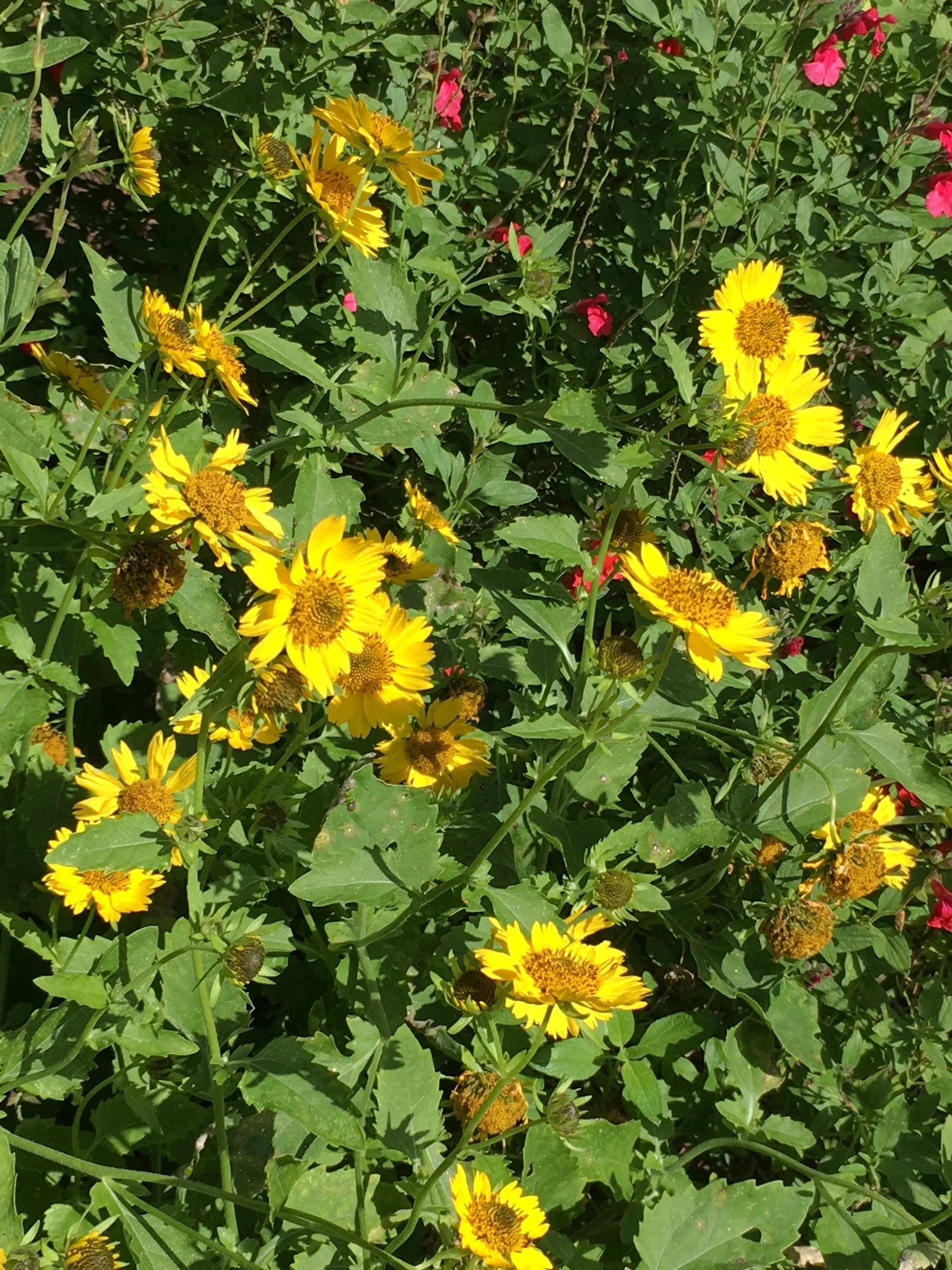

List of Plants
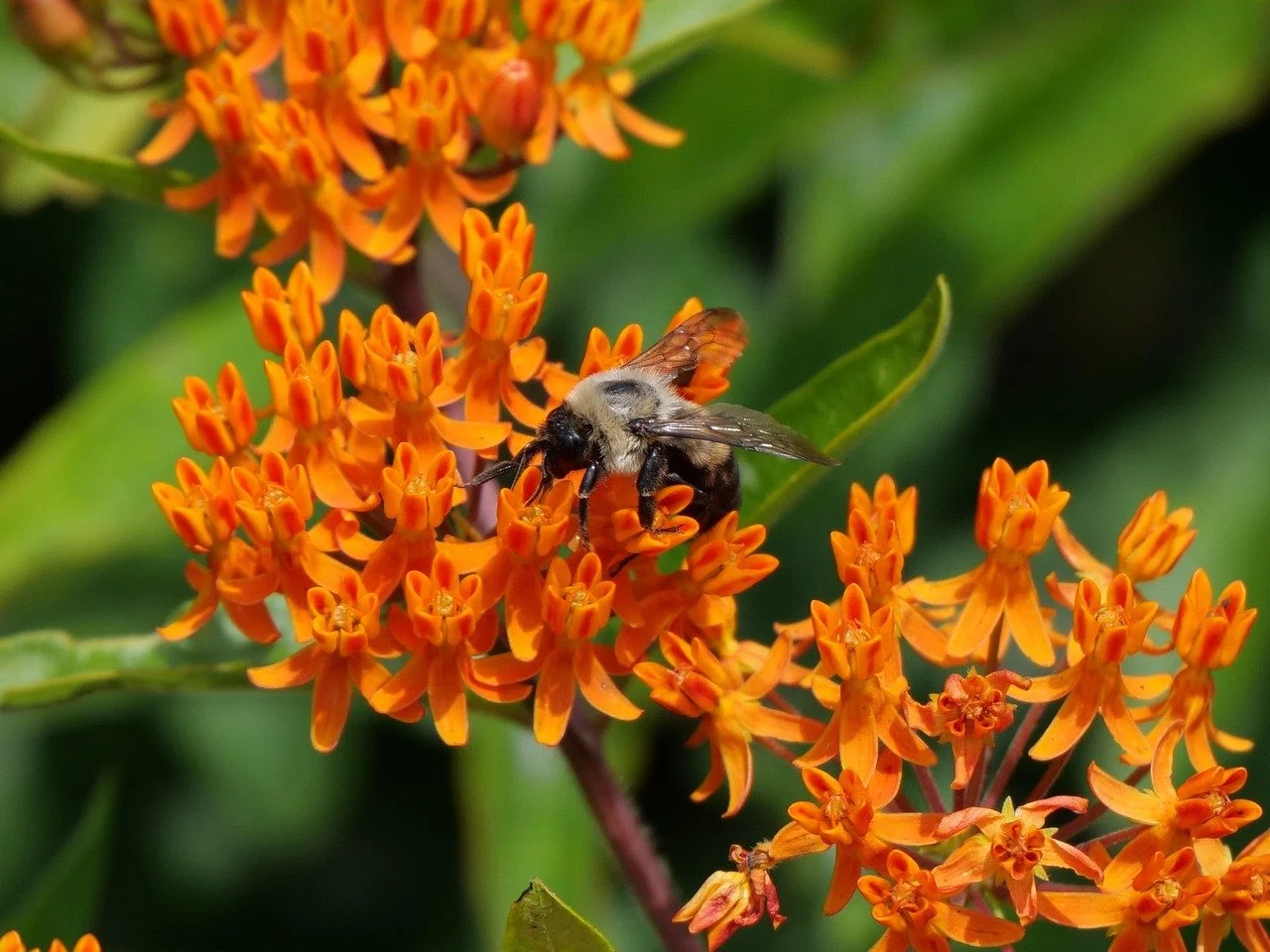
Butterfly Milkweed (Asclepias tuberosa)
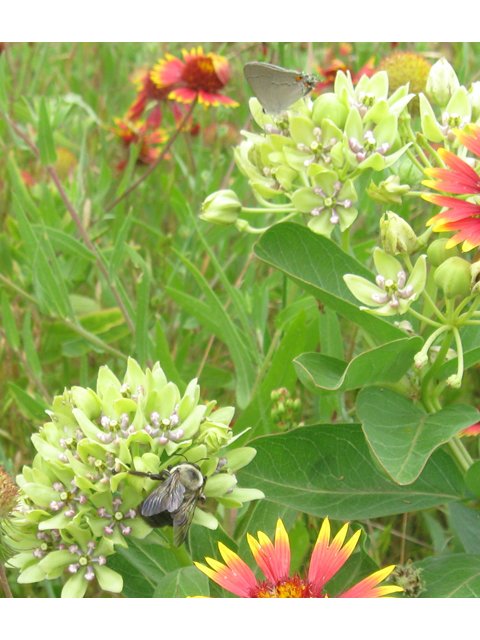
A vital host plant for monarch caterpillars and a nectar source for pollinators throughout summer.Green Milkweed (Asclepias viridis)
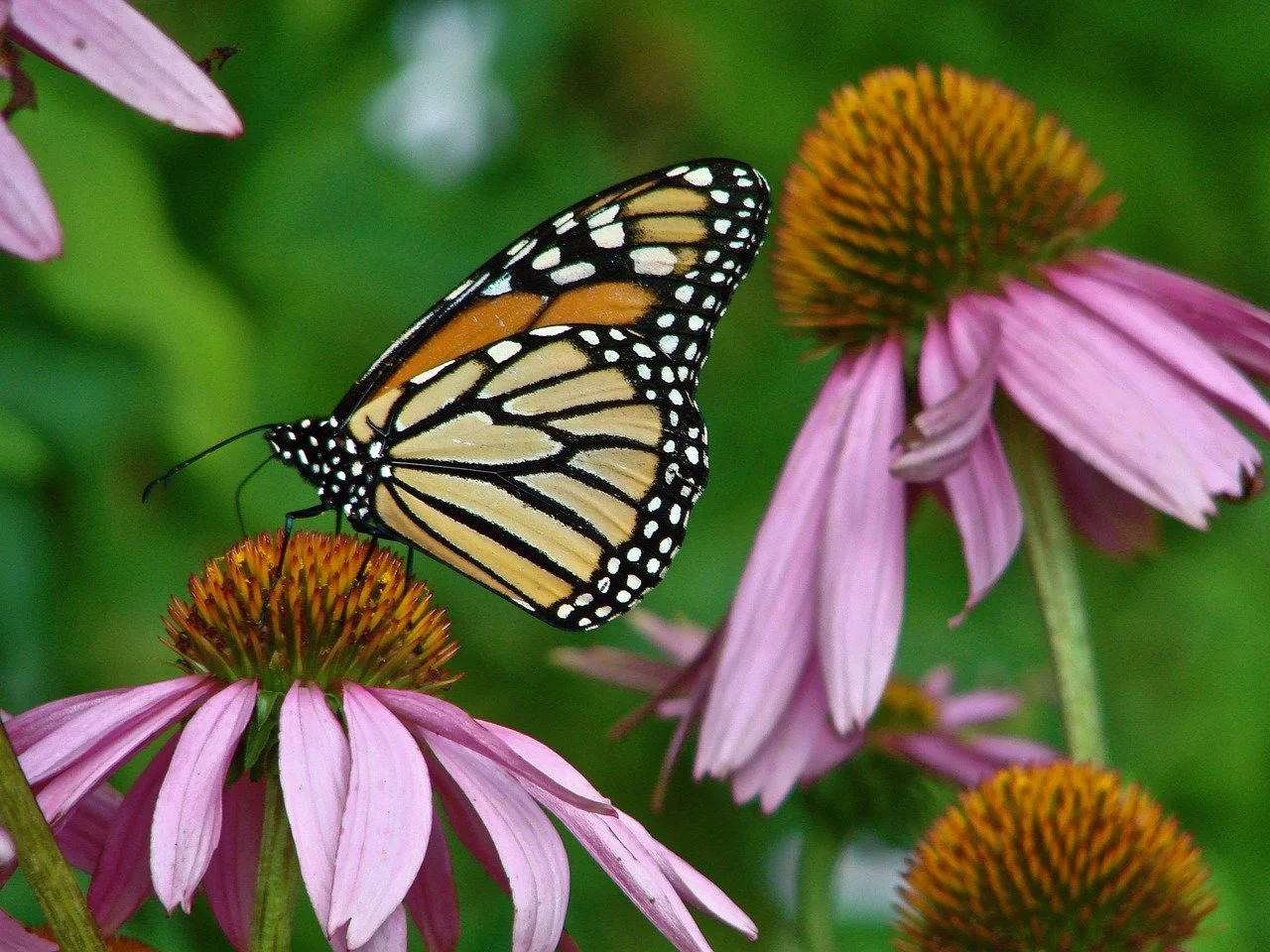
One of the most important native milkweeds in North Texas for monarch reproduction.Narrowleaf Coneflower (Echinacea angustifolia)
Long-blooming native wildflower that supports bees, butterflies, and birds.Texas Blazing Star (Liatris punctata var. mucronata)
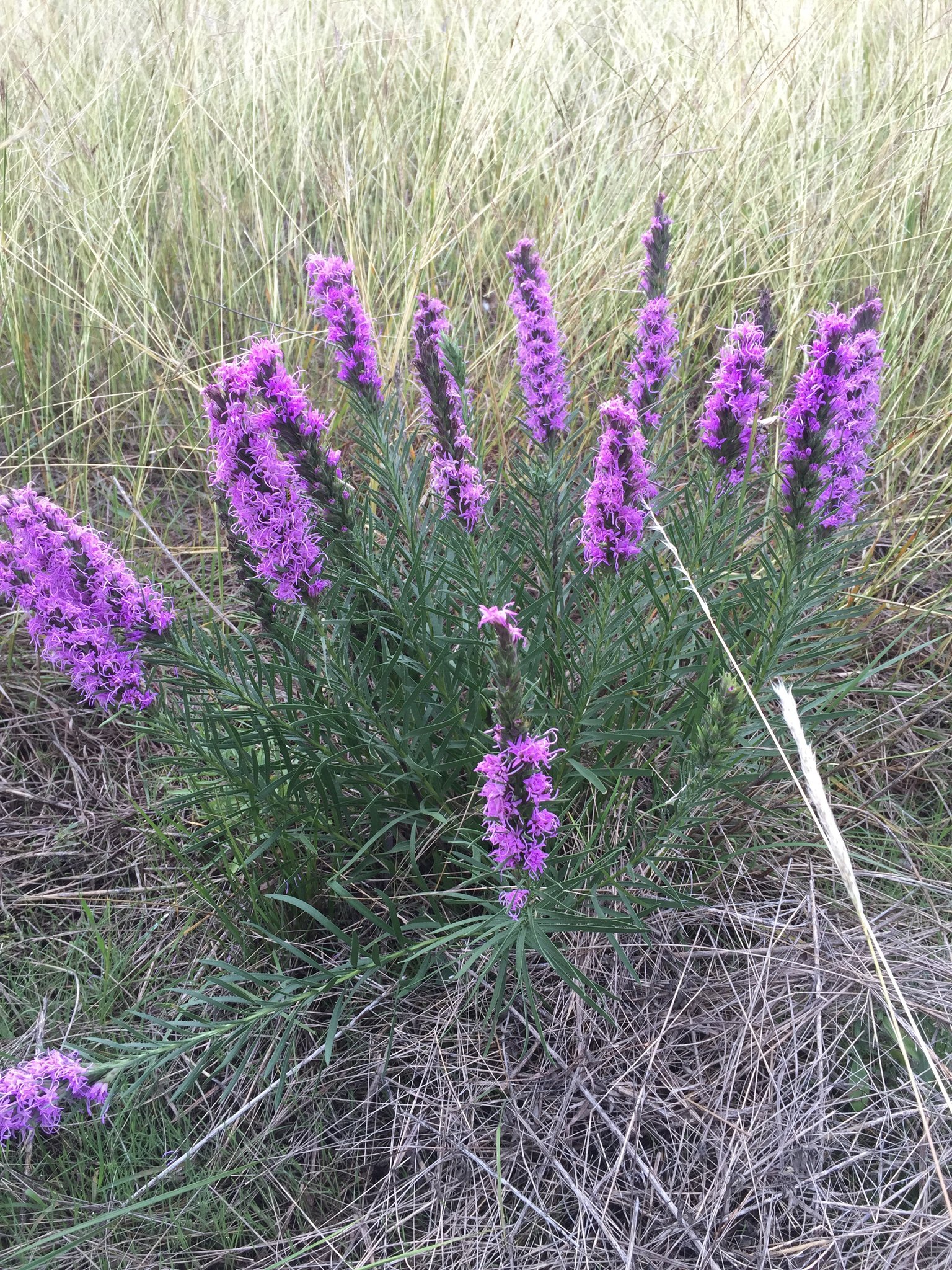
Late-summer blooms provide critical nectar when many other plants have faded.Little Bluestem (Schizachyrium scoparium)
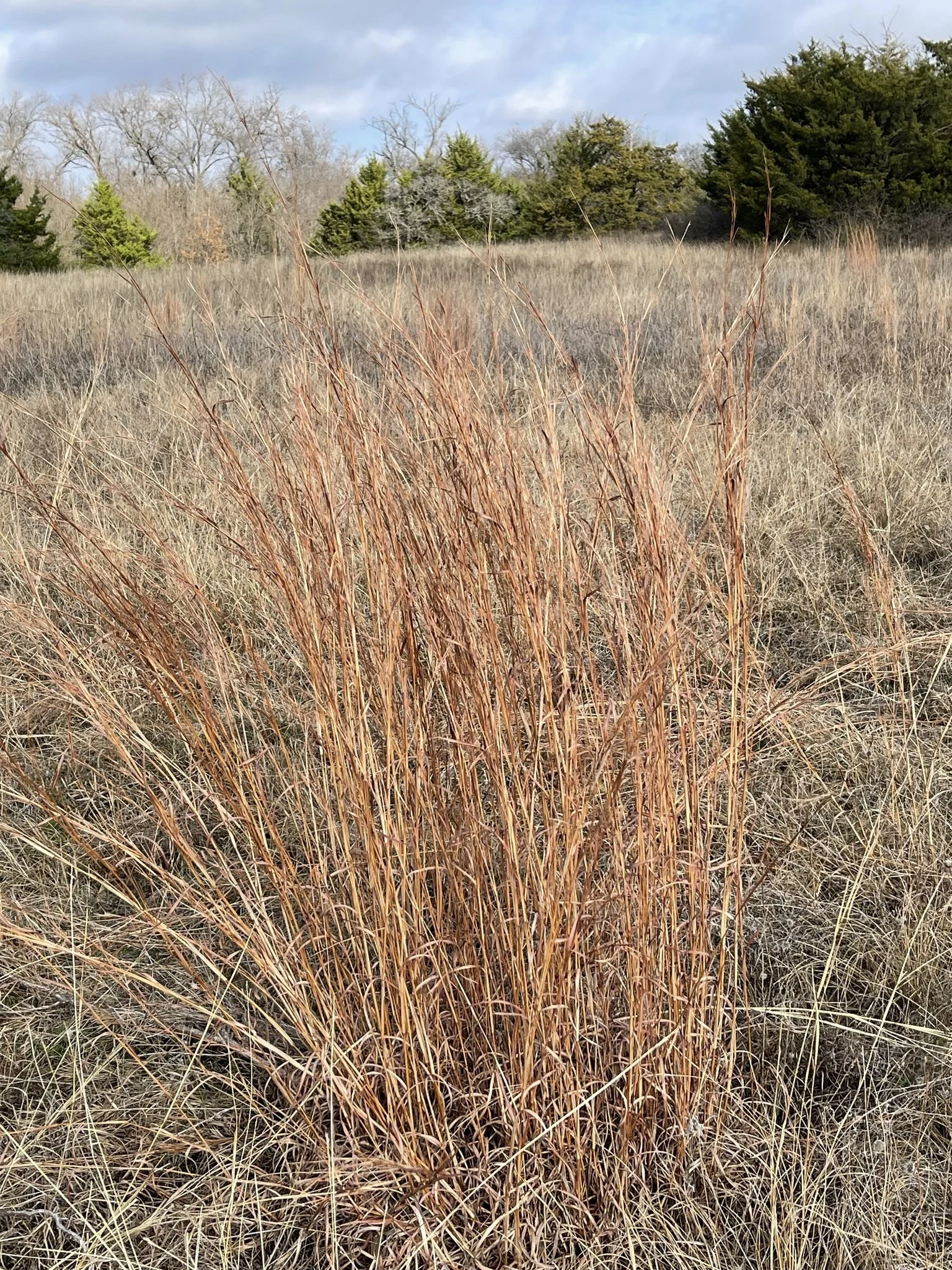
A cornerstone prairie grass that stabilizes soil, supports insects, and adds seasonal color.Fall Aster (Symphyotrichum oblongifolium)
One of the last major nectar sources of the year for migrating pollinators.Gregg’s Mistflower (Conoclinium greggii)
A monarch favorite during fall migration, often covered in butterflies.Cowpen Daisy (Verbesina encelioides)
Bright, fast-growing native that supports pollinators and fills early successional space.
Image Sources
Lady Bird Johnson Wildflower Center